
Some Westerners call for the break of Russia and China into smaller states. Divide and conquer kind of bullshit. But this flight of fancy is informed by the second half of the twentieth century that was the formative period for many people promoting it, and to their children too…

This discourse steams of out the loss of oversees empires by the West European countries and the break up of the USSR. There is a conspiracy theories that claim that the demise of Communism in Eastern Europe, and decolonization of the British Empire were very much elite decisions. Basically a betrayal of ideals. In my opinion, the British would have been kicked out of India eventually, and the USSR was also quite unsustainable.

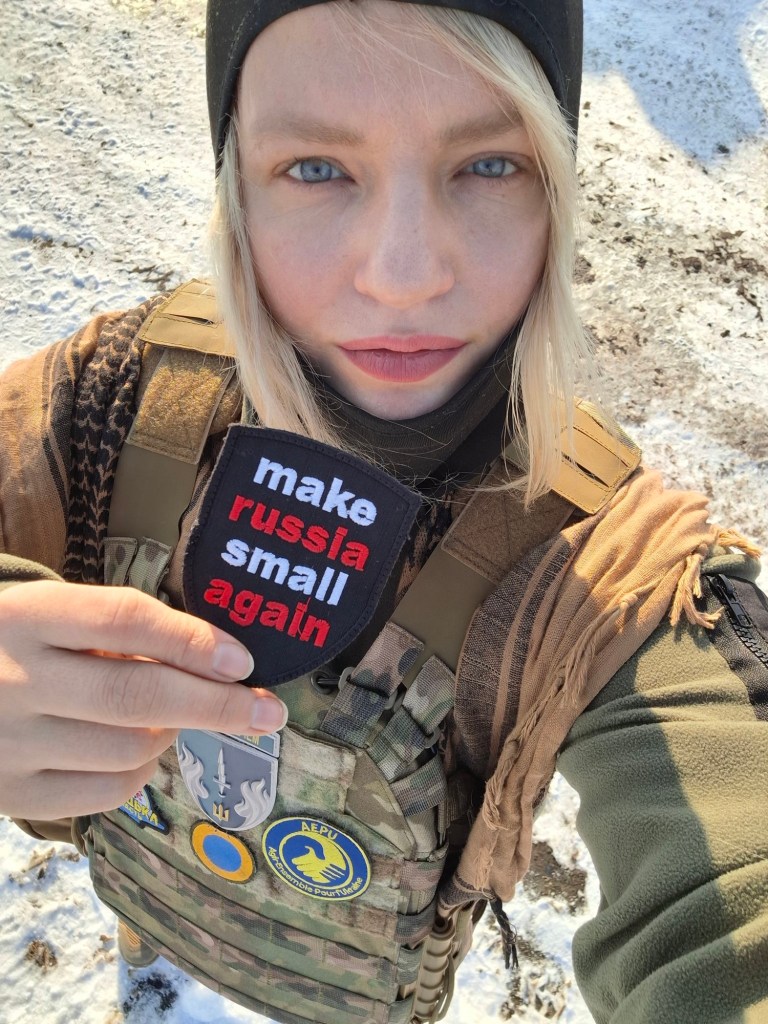
The problem these people have is that Russia and China have majority core populations and this makes them national states of the Russians and the Han. I don’t want to dig out statistics for China right now but in Russia, 70% of the people are ethnic Russians and around 10% do not want to define their ethnicity. They are likely mixed or don’t see themselves as belonging to any ethnic group. The Russian ethnicity was in the minority in the USSR at the time of this break up, and the British Empire’s colonies always had non-Anglo-Saxon minority in its oversees colonies, apart from settler states in Australia and Canada.
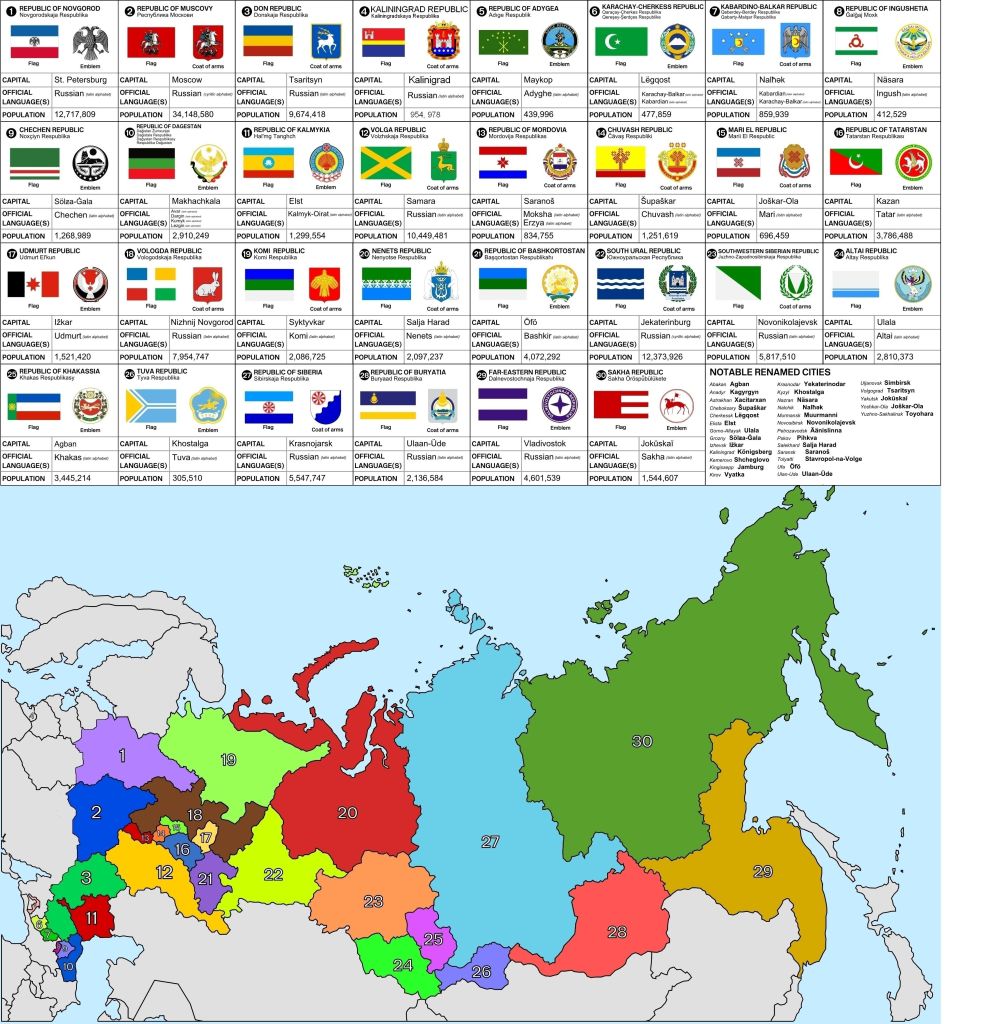
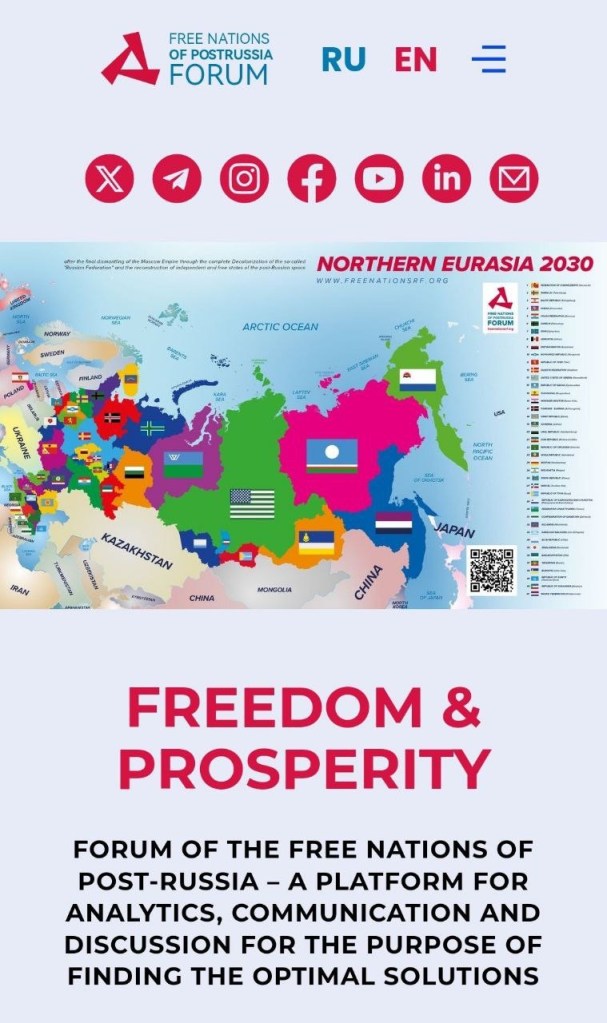
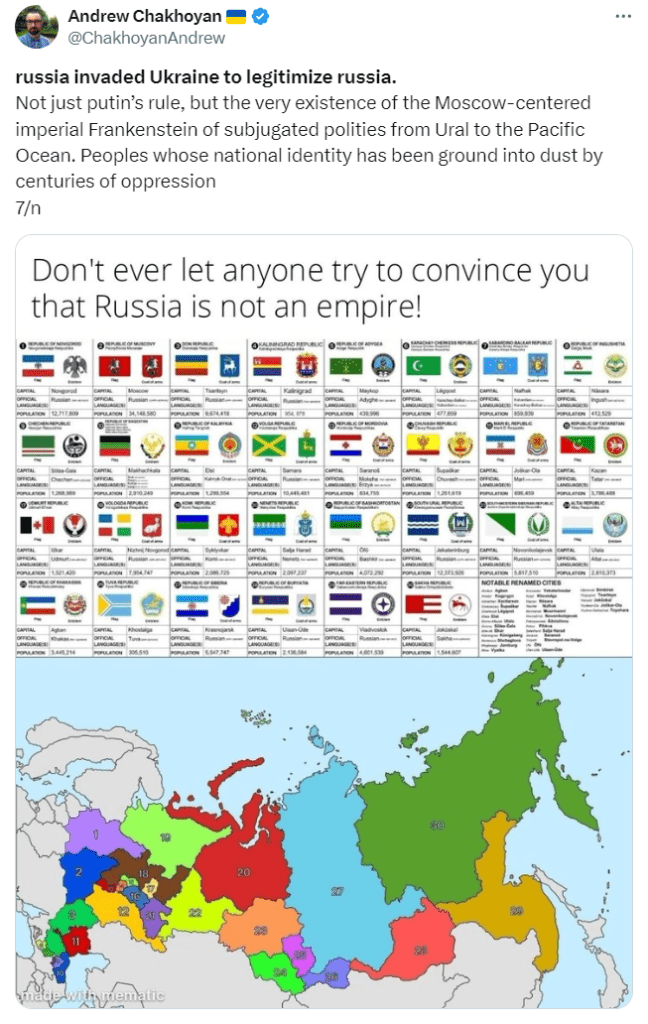
People are still sharing the above ridiculous map, where most subjects of the “former” RF have the official language Russian, some with a Latin script (LOL). I don’t want to say Russian cannot be written in the Latin script but Cyrillic has been specifically made for Russian historically. It is like making the Greeks or Koreans write in Latin. Their respective scripts fit their languages perfectly, and are part of their culture. Also, those Siberian subjects 27, 30, are sparsely populated patchworks of different ethnic groups, nothing that could become viable nation states.
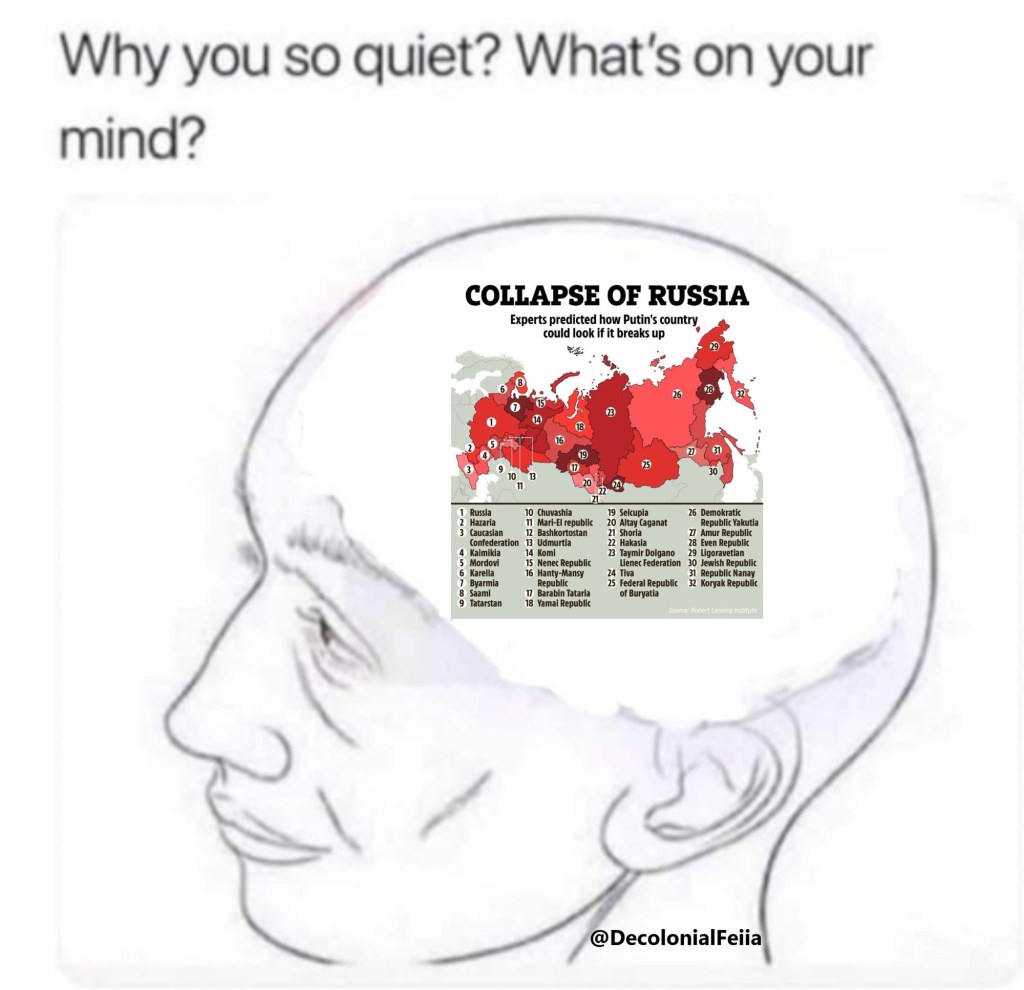
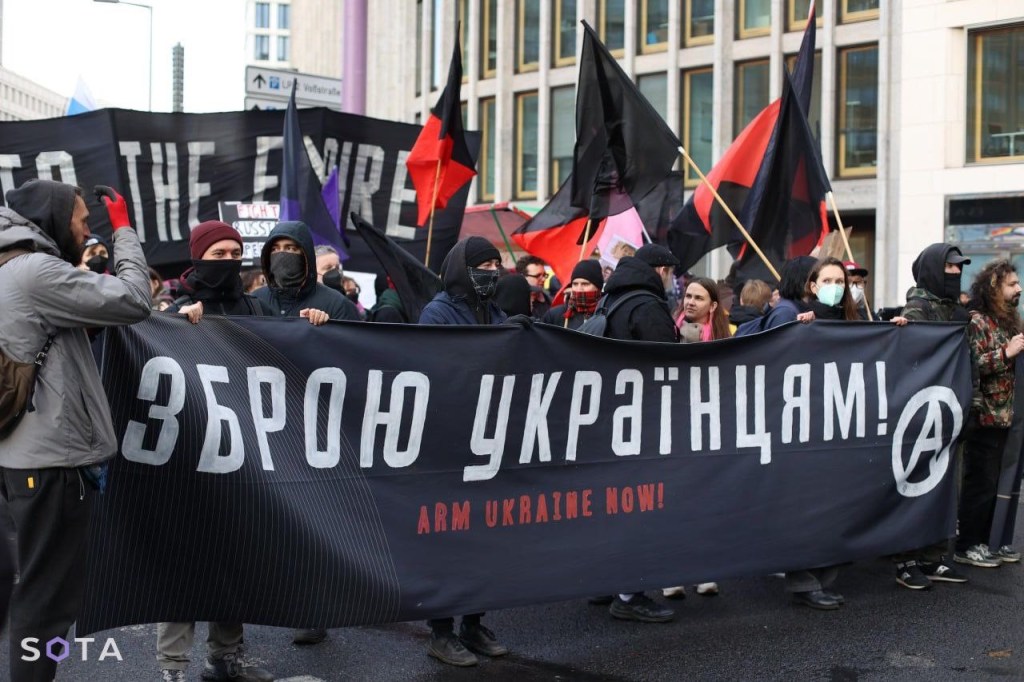
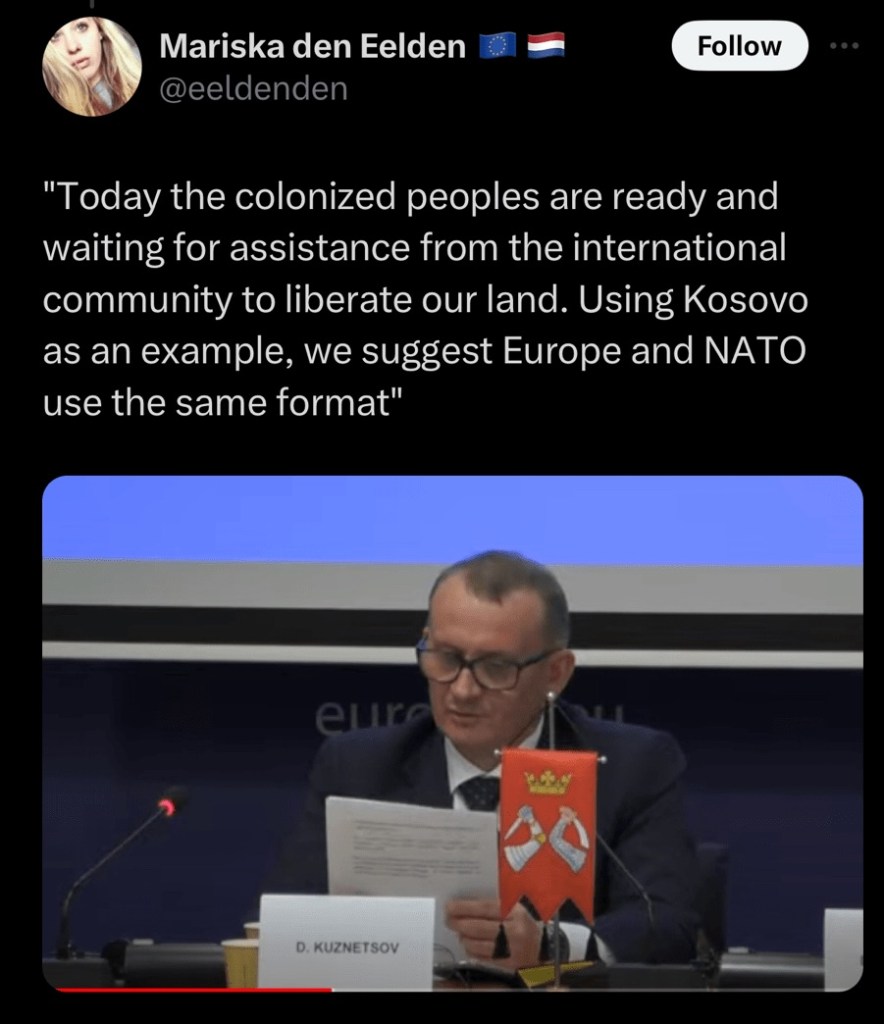
Ukrops have adopted post-colonial victim mentality from critical theory that views the Russians as imperialist oppressors, and paints Ukraine as the perpetual victim of the Moskali. This framework fits well into the already well established culture of grievance in Ukraine that goes back a long way, perhaps to a book name Istoria Rusov which pre-dates the emergence of the Ukrainian national idea by several decades. It is therefore not very hard to view themselves as agents of Russian decolonization.



 Insomniac Resurrected